Rhea
Rhea Family
Capt. William Alexander Rhea was born in Sullivan County,. Tennessee in Feb. 24, 1833, the second of his parent's five children. He was the son of Joseph R. Rhea and a nephew of John Rhea who for years represented his district in Congress. His mother was Emaline M. Alexander, the daughter of William and Mary Alexander. The family came to Collin County in 1855 and settled near Walnut Grove. W. A. grew up on his parent's farm in Collin and at 19 years of age attended the Blount Academy in Tennessee. He engaged in business with Larkin Adamson at Weston, and for a time taught school at Mantua. In 1857 he and his brother James entered into a partnership and operated a mill for building machinery. The location they selected grew into Rhea Mills, ten miles northwest of McKinney. By the time the Civil War came the operation had flourished and they were operating an extensive carding machinery, corn and flouring mills.
In 1861 W. A. Rhea joined the Confederate Army, enlisting as a private in Company D., Sixth Texas Cavalry, and at the reorganization of the company in the following spring he was elected Captain. At the Battle of Corinth he had his left foot torn away by grape shot. He returned to Texas in 1863. He was elected to the legislature, then appointed Adjutant General by Gov. Murrah and aided Gen. Griffith in organizing the state troops. After the war the Rhea mills were extended and business expanded. A mercantile store was added to serve the community.
Capt. Rhea was married the 16th of July 1868 to Ella Foote, daughter of Dr. G. A. Foote. Six children were born to them: James F., Emogene, William A., Lawrence J., Mary E., and John Edwin.
Capt. William Alexander Rhea was born in Sullivan County,. Tennessee in Feb. 24, 1833, the second of his parent's five children. He was the son of Joseph R. Rhea and a nephew of John Rhea who for years represented his district in Congress. His mother was Emaline M. Alexander, the daughter of William and Mary Alexander. The family came to Collin County in 1855 and settled near Walnut Grove. W. A. grew up on his parent's farm in Collin and at 19 years of age attended the Blount Academy in Tennessee. He engaged in business with Larkin Adamson at Weston, and for a time taught school at Mantua. In 1857 he and his brother James entered into a partnership and operated a mill for building machinery. The location they selected grew into Rhea Mills, ten miles northwest of McKinney. By the time the Civil War came the operation had flourished and they were operating an extensive carding machinery, corn and flouring mills.
In 1861 W. A. Rhea joined the Confederate Army, enlisting as a private in Company D., Sixth Texas Cavalry, and at the reorganization of the company in the following spring he was elected Captain. At the Battle of Corinth he had his left foot torn away by grape shot. He returned to Texas in 1863. He was elected to the legislature, then appointed Adjutant General by Gov. Murrah and aided Gen. Griffith in organizing the state troops. After the war the Rhea mills were extended and business expanded. A mercantile store was added to serve the community.
Capt. Rhea was married the 16th of July 1868 to Ella Foote, daughter of Dr. G. A. Foote. Six children were born to them: James F., Emogene, William A., Lawrence J., Mary E., and John Edwin.
James C. Rhea was born in Roane county, Tennessee in April 11, 1837. His father was Joseph R. Rhea and his mother was Emaline Alexander. On November 29, 1855 he immigrated with his parents to Collin County and settled 10 miles northwest of present McKinney. He and his brother W. A. built and operated wool-carding machines that started the famous Rhea's Mills. The flour mill for corn and wheat was added in 1860. He served 3 years in the Confederate Army fighting under General Joseph E. Johnston and General Hood, enlisting at McKinney with the Sixth Texas Cavalry. He was twice wounded at the Battle of Corinth.
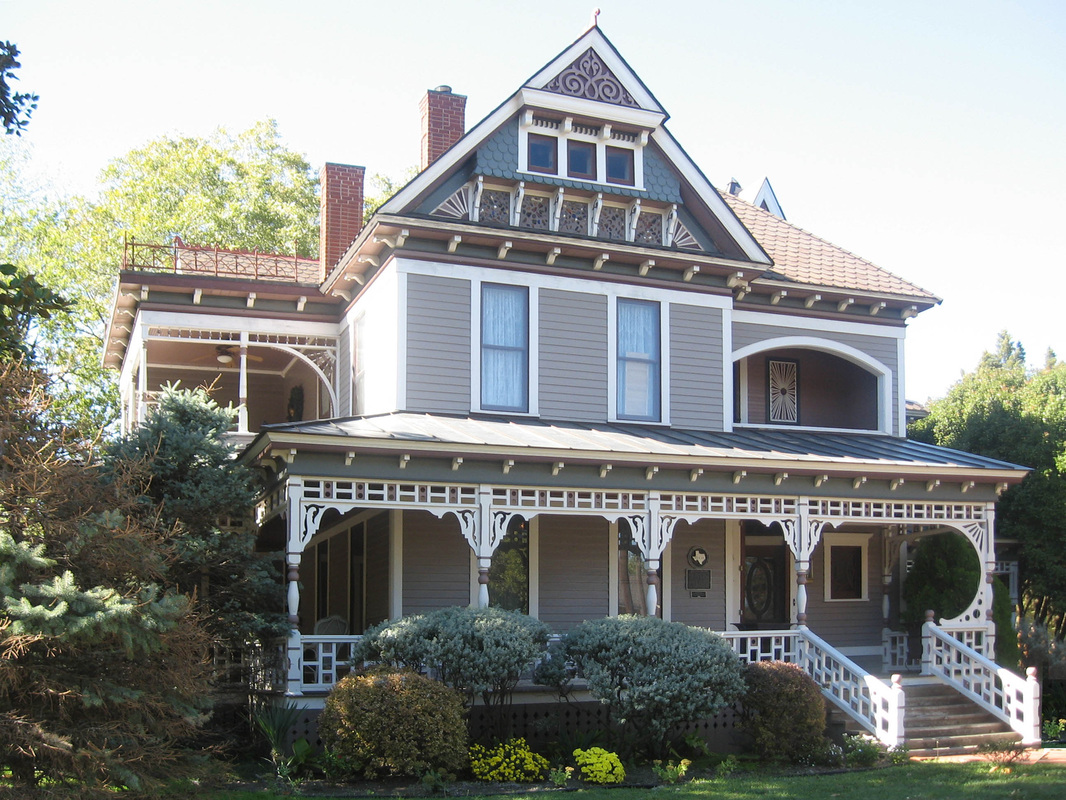
After the war he and his brother continued as partners in the growing business. As the area grew, a mercantile store was added to the mill. When Rhea's Mill(s) received a post office in 1876, he served as its first Post Master for 3 years. He and his brother owned between 1000 acres of land around the area that became known as the community of Rhea Mills, most of which was under cultivation. He married near Plano, Texas, on the 14th of September, 1874 to Miss Mary A. Gossett, who came to Texas with her mother and brother from Somerset, Kentucky. They resided for many years at 701 North College Street in McKinney She was the daughter of Reuben and Harriett Gossett. Six children were born to this union, of which 2 survived - William J. Rhea, a business man in McKinney, and Dr. Robert Lee Rhea of San Antonio.
James Rhea was a Mason for more than sixty years. He received special dispensation while in the army to join the ancient order granted by the Worshipful Master of the state of Mississippi on account of being a soldier in that state at the time. He was a member of the Blue Lodge, Council, Chapter and Templar Commandery at McKinney at the time of his death. He was a charter member of Lee Lodge of Rhea Mills, and was Worshipful Master of that lodge for several years. He moved his membership to the St. John's Lodge in McKinney when he moved to that town.
James was converted and united with the Presbyterian church in Tennessee when a boy. He was a charter member of the Walnut Grove Presbyterian Church at Rhea Mills, later moving his membership to the Central Presbyterian church in McKinney. His father was chairman of the building committee that erected the first Walnut Grove Presbyterian church while the James Rhea was chairman of the building committee that erected the present church building. He was chairman of the county executive committee in several prohibition contests of the county and had a large part in helping to carry prohibition here.
At the organization of the militia of Texas in 1871 he was elected Captain of Company G, 85th Regiment. In 1876 he was appointed postmaster at Rhea's Mills when the mail route was opened. He was appointed notary public by Gov. Ireland and again by Gov. Ross in 1889. His home "Sunnyside" contained over 1000 acres and he had business interests in the North Texas Mill and Elevator Co. In 1892 he moved to McKinney. He died in 1925.
After the war he and his brother continued as partners in the growing business. As the area grew, a mercantile store was added to the mill. When Rhea's Mill(s) received a post office in 1876, he served as its first Post Master for 3 years. He and his brother owned between 1000 acres of land around the area that became known as the community of Rhea Mills, most of which was under cultivation. He married near Plano, Texas, on the 14th of September, 1874 to Miss Mary A. Gossett, who came to Texas with her mother and brother from Somerset, Kentucky. They resided for many years at 701 North College Street in McKinney She was the daughter of Reuben and Harriett Gossett. Six children were born to this union, of which 2 survived - William J. Rhea, a business man in McKinney, and Dr. Robert Lee Rhea of San Antonio.
James Rhea was a Mason for more than sixty years. He received special dispensation while in the army to join the ancient order granted by the Worshipful Master of the state of Mississippi on account of being a soldier in that state at the time. He was a member of the Blue Lodge, Council, Chapter and Templar Commandery at McKinney at the time of his death. He was a charter member of Lee Lodge of Rhea Mills, and was Worshipful Master of that lodge for several years. He moved his membership to the St. John's Lodge in McKinney when he moved to that town.
James was converted and united with the Presbyterian church in Tennessee when a boy. He was a charter member of the Walnut Grove Presbyterian Church at Rhea Mills, later moving his membership to the Central Presbyterian church in McKinney. His father was chairman of the building committee that erected the first Walnut Grove Presbyterian church while the James Rhea was chairman of the building committee that erected the present church building. He was chairman of the county executive committee in several prohibition contests of the county and had a large part in helping to carry prohibition here.
At the organization of the militia of Texas in 1871 he was elected Captain of Company G, 85th Regiment. In 1876 he was appointed postmaster at Rhea's Mills when the mail route was opened. He was appointed notary public by Gov. Ireland and again by Gov. Ross in 1889. His home "Sunnyside" contained over 1000 acres and he had business interests in the North Texas Mill and Elevator Co. In 1892 he moved to McKinney. He died in 1925.